

Orchids
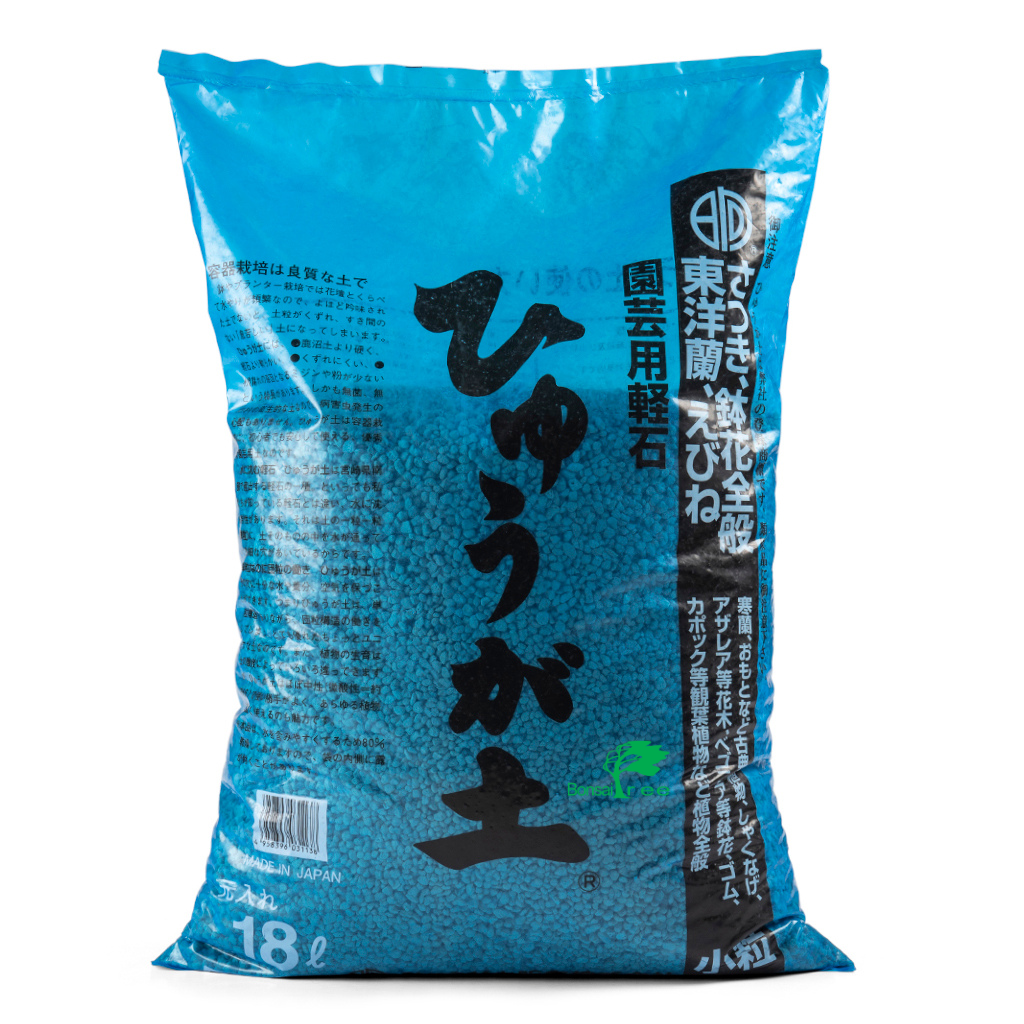
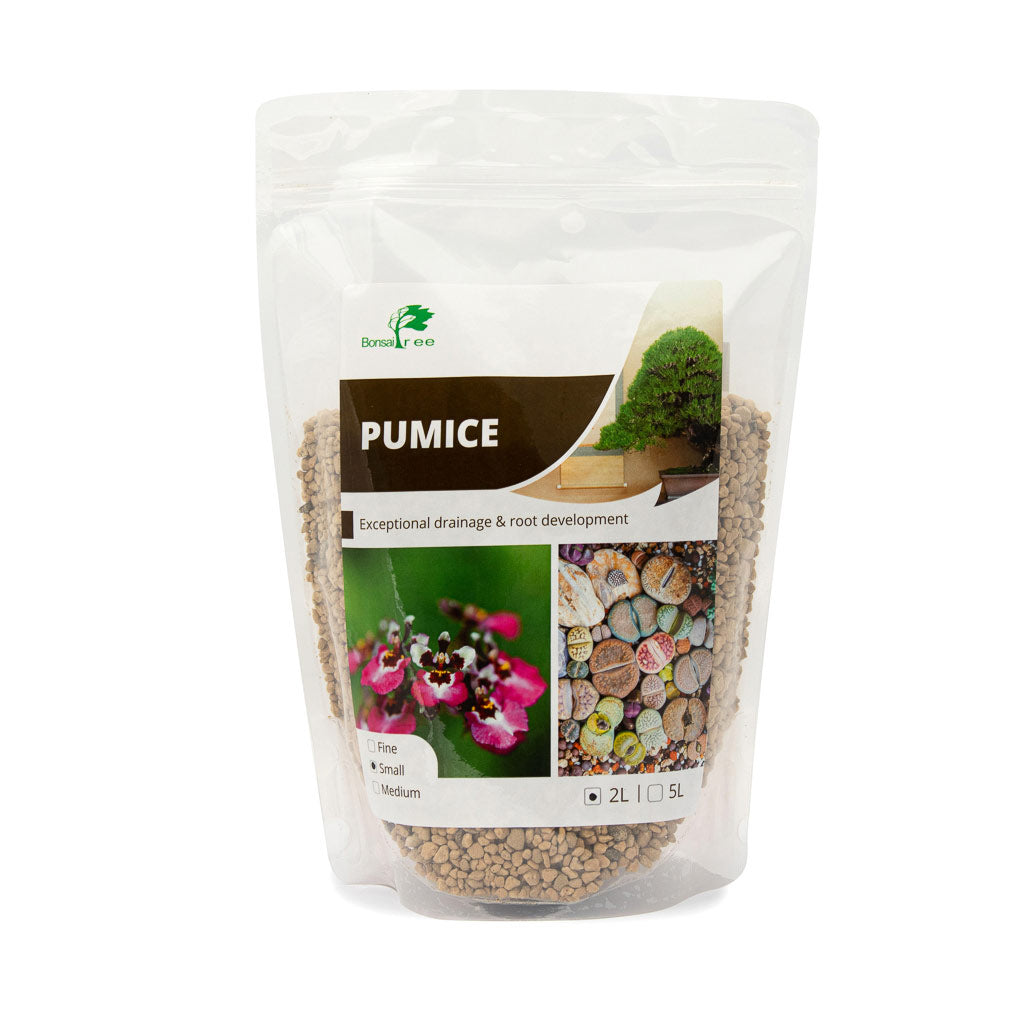


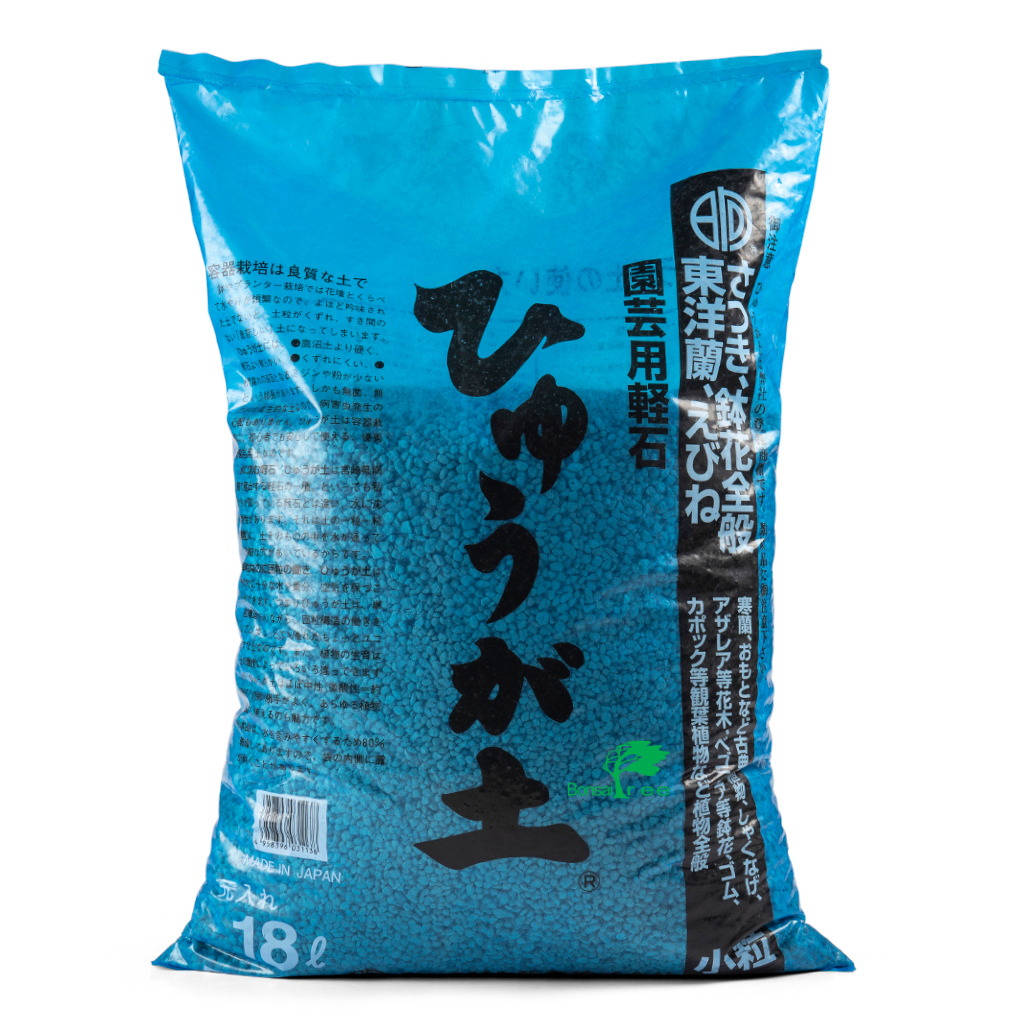
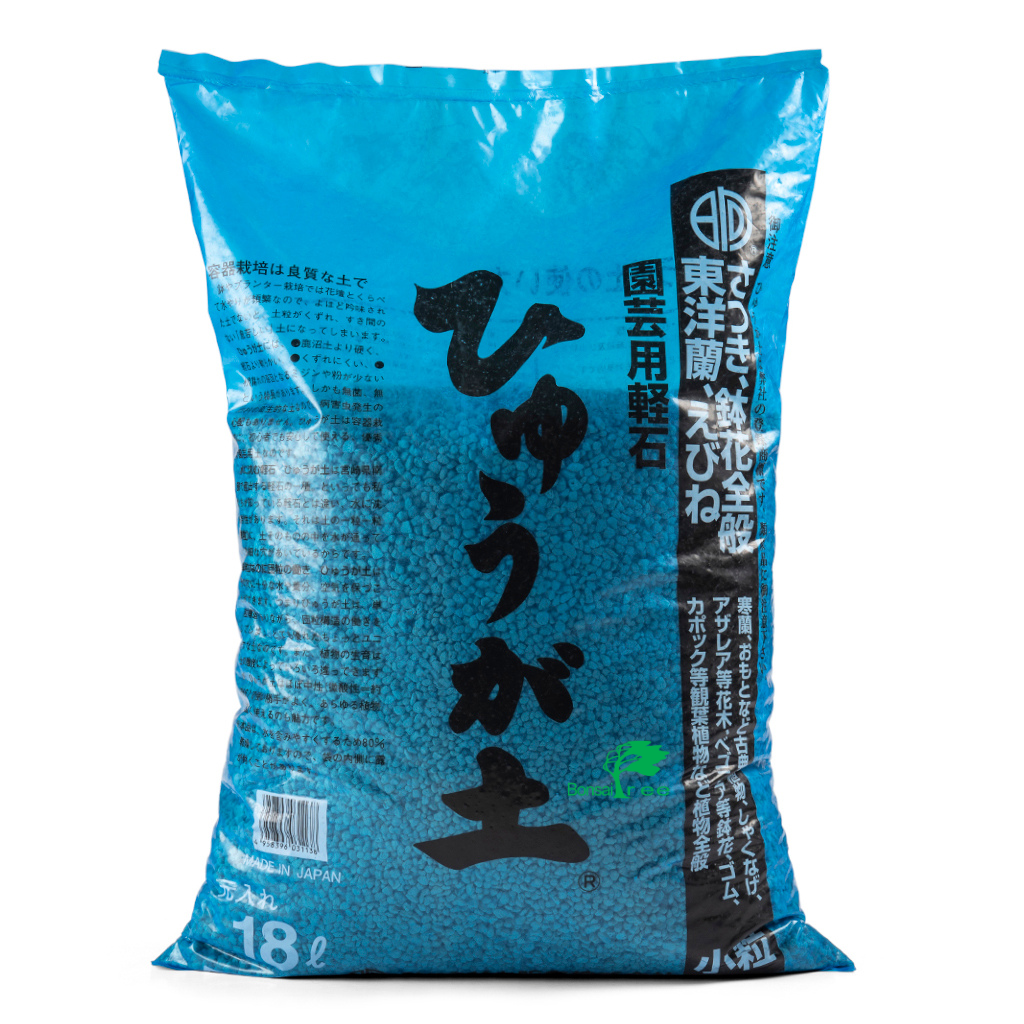


Japanese Pumice (Hyuga), Small, 3-6mm
R125.00 ZAR - R562.50 ZARR312.50 ZAR - R1,125.00 ZAR
<p>Earn%20[points_amount]%20when%20completing%20this%20purchase.</p>
What is it?
Japanese pumice, or Hyuga as it is known in Japan is a naturally occurring volcanic product from the south part of Miyazaki Prefecture in Japan.
Hyuga vs Pumice
These two products are very similar in characteristics however due to the manner in which this Hyuga is formed in nature it is slightly softer and more porous than conventional pumice. In fact Hyuga is so porous it will sink, which reduces erosion when watering.
Due to the porosity of Hyuga aggregates in your growing mixes it enhances:
- water retention
- nutrients
- oxygen
It is suitable for a wide range of plant species as it has an essentially neutral pH of 6.
How to use?
Japanese pumice is highly recommended for more demanding succulents as well as acid loving rhododendron (including Azalea), general pot plants, orchids and it of course forms a crucial part of many bonsai growing mixes.
If I had only one soil component to use for bonsai it would be 100% pumice. If you have akadama, add some. - Michael Hagedorn
As Hyuga will not under normal circumstances break down it can be sifted and re-used however if you intend doing so a disinfecting treatment using Sporekill is strongly recommended to reduce the risk of spreading fungal or bacterial issues.
Hyuga can be combined with other elements such as akadama or peat (no more than 20% of the total mix). Due to the good drainage qualities of hyuga it is very often used to assist a sick tree to regain vigor and health. In such a case 100% Japanese pumice may be used.
For typical growing conditions, a ratio of 1(akadama) : 1(pumice) can be used. For plants which prefer more moisture you can double the quantity of akadama.
You may also like
